
TMJ disorder is one of the most commonly overlooked conditions affecting both adults and children. Because the symptoms can vary—from jaw pain to headaches to sleep issues—it’s not unusual for people to spend years searching for answers without realizing the jaw joints are involved.
That’s exactly why we created our TMJ self-assessment quiz: a quick, easy way to help you understand whether your symptoms may be connected to your TMJ and whether further evaluation might be beneficial.
Our goal has always been simple—to give patients clarity so they can make informed choices about their health.
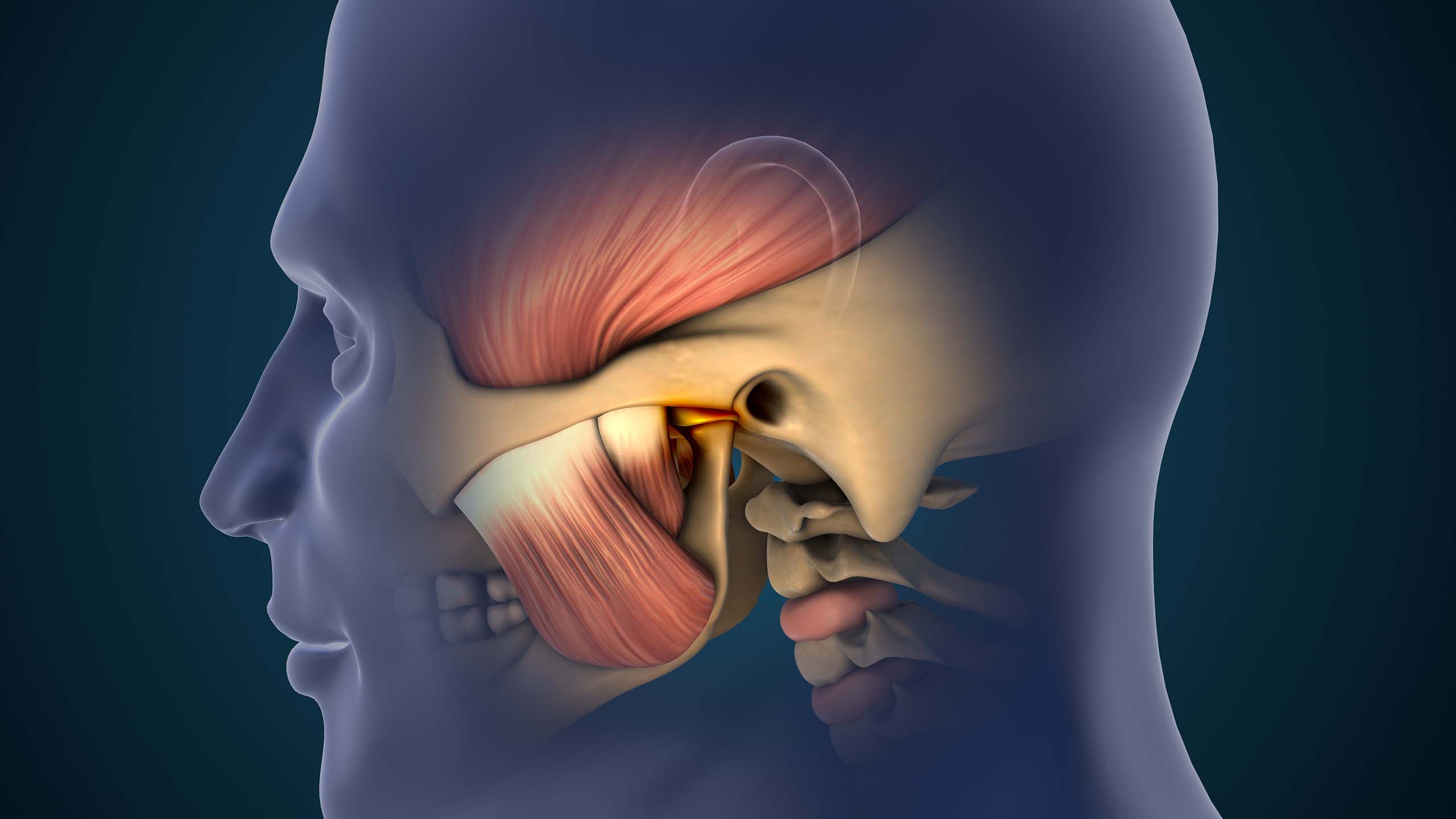
Why It’s Important to Understand TMJ Disorder
The temporomandibular joints are small, but they play a major role in everyday function. When something is off, the effects often go far beyond the jaw.
1. TMJ pain impacts daily life more than people realize
Discomfort can show up during chewing, talking, laughing, or even yawning. Many patients describe feeling “tight,” “tired,” or “stuck” in their jaw without understanding why. Over time, this can affect overall quality of life, energy levels, and comfort throughout the day.
2. Long-term joint changes can develop if symptoms are ignored
TMJ disorder can involve:
- Inflammation
- Disc displacement
- Soft tissue irritation
- Early signs of joint degeneration
These changes are often subtle at first but may progress if left unaddressed. Early recognition makes a tremendous difference in preventing chronic issues.
3. Facial muscle hypertrophy (cheek muscle enlargement)
When the jaw is overworked from clenching, grinding, or compensating for a bite imbalance, the masseter muscles can become enlarged. This can change facial appearance and indicate that the system is working harder than it should.
4. TMJ symptoms can extend beyond the jaw
Because the jaw joint connects to the head, neck, and airway, TMJ disorder is often linked to:
- Recurring headaches
- Ear fullness or ringing
- Neck stiffness
- Difficulty opening wide
- Clicking or popping sensations
It’s common for patients to see multiple providers before realizing the jaw is the source.
5. In children, TMJ dysfunction can influence growth
Children may not always express pain, but TMJ issues can appear as:
- Chewing or speech difficulties
- Mouth breathing
- Postural changes
- Facial asymmetry
- Disrupted sleep or restless nights
Identifying concerns early supports healthy jaw development and can prevent more significant problems later.

Why We Created a TMJ Self-Assessment Quiz
Many patients come to us after months (or years) of feeling confused about their symptoms. The quiz was created to help people begin connecting the dots in a simple, approachable way.
It’s designed to:
- Bring awareness to common TMJ-related symptoms
- Highlight patterns people may not realize are significant
- Offer clarity on whether further evaluation might be helpful
Sometimes all someone needs is a starting point—and this quiz makes that first step easy.

Our Approach: Gentle, Conservative, Whole-Health Orthodontics
At The Orthospaceship, we take a comprehensive but conservative approach to TMJ care.
Our philosophy is centered on:
- Protecting the joints
- Supporting healthy function
- Addressing root causes, not just symptoms
- Improving comfort, breathing, posture, and overall well-being
Every patient—adult or child—receives a personalized assessment that considers the jaws, airway, bite, growth, and joint health together. We believe education is the first step toward empowerment, and tools like this quiz help patients feel more in control of their health journey.
Take the TMJ Quiz
If you’ve been wondering whether your symptoms—or your child’s symptoms—may be related to TMJ disorder, our quiz is a simple way to learn more.
And if you ever want to explore your results or ask questions, our doctors are always here to help—no pressure, no urgency, just information and support.