
A gap between your teeth is one of the few things about a smile that people feel two completely different ways about. Some have wanted to close the space for years. Others love it, and only wonder whether it means anything. Both are reasonable, and the honest answer is the same: gaps in teeth are worth treating if they bother you, or if something structural is causing them.
That second part is where we start. At The Orthospaceship in Beverly Hills, Dr. Chantal Hakim treats a gap, or diastema, not as a cosmetic concern to be covered but as a question to be answered: why is it there? A space that is simply closed without addressing its cause has a way of drifting back open. For patients across Los Angeles, knowing what is behind the spacing is what makes closing it a decision you make once.
What Is actually causing the space between your teeth
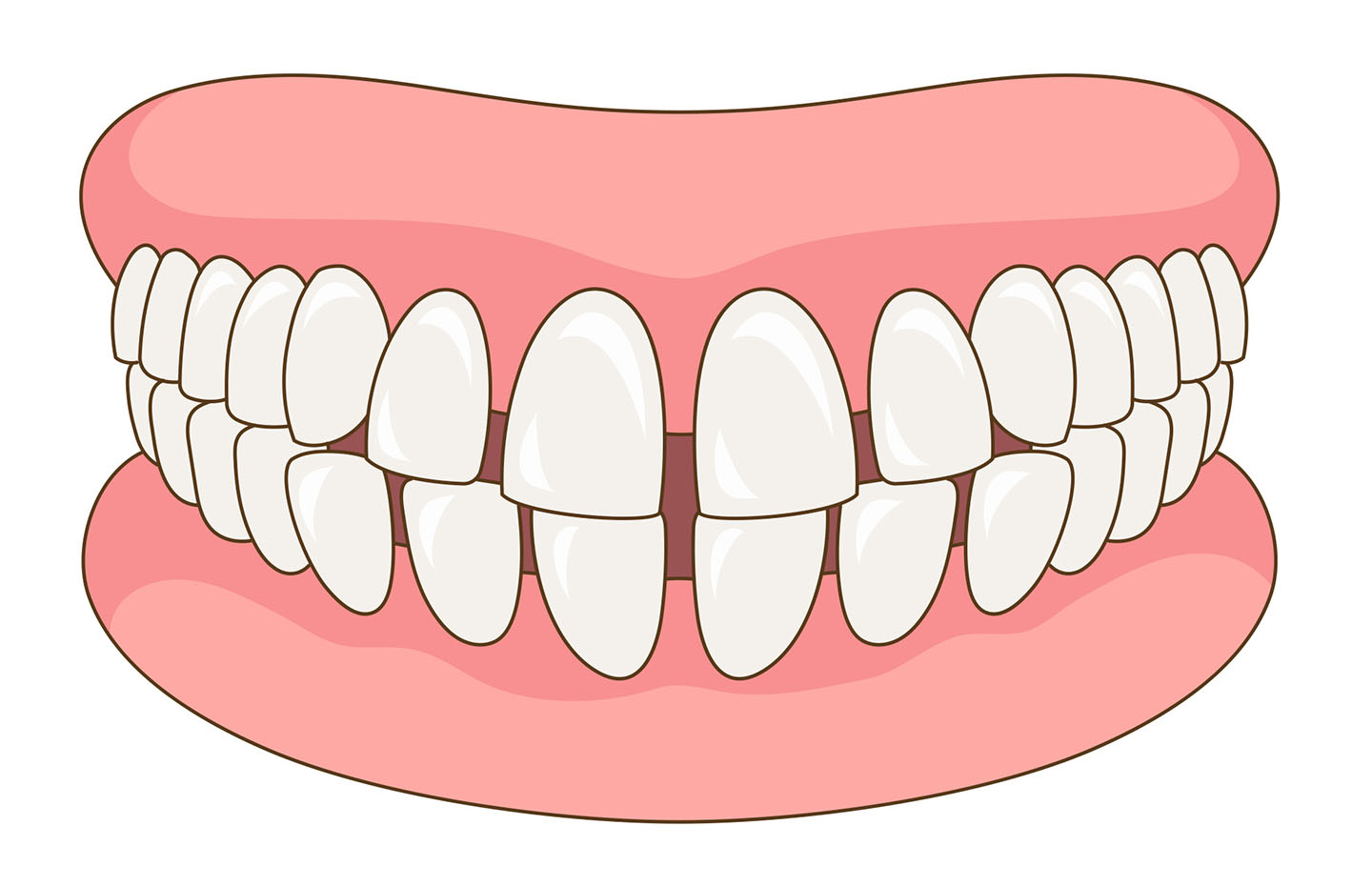
Most people assume a gap is just how their teeth grew. Sometimes that is true. Often it is not. A gap, or diastema, usually traces back to one of a handful of causes, and which one is opening the space changes what closing it should involve:
- An oversized labial frenum — the band of tissue between your upper lip and gums. When it is large, it can hold the two upper front teeth apart, creating a gap right in the middle of your smile.
- A tongue thrust or thumb-sucking habit — repeated pressure that pushes the front teeth forward and apart over time.
- A tooth-size or jaw-size mismatch — teeth that are small relative to the jaw leave extra room, and spaces open to fill it. Missing or undersized teeth let the adjacent teeth drift the same way.
- Gum disease — advanced gum disease can weaken the bone and tissue that support the teeth, letting them migrate and open spaces that were never there before. This kind of tooth migration is one of the most overlooked causes in adults.
A diastema is a gap between two teeth, most often the two upper front teeth. Common causes include an oversized labial frenum, a tooth-size to jaw-size mismatch, missing teeth, oral habits such as tongue thrusting or thumb sucking, and gum disease. Identifying the cause matters, because a gap closed without addressing why it formed is more likely to reopen.
In children, spacing is usually nothing to worry about at all. Spaces between baby teeth are not only normal but healthy: up to 97% of children have them, and they leave enough room for the larger permanent teeth to come in. Many of these spaces close naturally as the adult teeth erupt, part of normal development, which is why an early evaluation around age 7 is often about knowing whether to act or simply to watch.

Why we find the cause before we close the space
Here is the difference that matters. A space can be closed two ways: by covering it, or by correcting it.
Cosmetic dentistry can cover a gap quickly, adding tooth-colored resin in a procedure called dental bonding, or placing porcelain veneers to make the teeth look wider. For the right case those are fine options, and many a general dentist offers them. But they change the surface, not the cause, and they do nothing about a tongue thrust or a frenum that is still doing the work that opened the space in the first place.
As orthodontists, we correct a gap by moving the actual teeth into place and by addressing what caused it. If an oversized frenum is holding the front teeth apart, it can be released with a simple frenectomy. If a tongue thrust is at work, it is retrained. If gum disease is present, it is treated first, always, sometimes with a deep cleaning before anything else, because closing a space over unhealthy tissue and poor gum health only invites it to reopen. Both Dr. Chantal and Dr. Isaac Hakim are trained in the Roth Williams functional-occlusion approach, which reads how the tongue, bite, and jaw work together, so what we close is far less likely to drift back open.
In one visit, you will know what is causing the space and what closing it would involve.
Book a complimentary gap evaluation.

Closing a teeth gap in Beverly Hills
For most gaps, the most durable fix is orthodontic, and there are a few good treatment options depending on the size of the space and what is behind it.
For many adults, clear aligners such as Invisalign are the preferred route: virtually invisible, removable, and very effective at closing spacing, using light, controlled pressure to draw the teeth gently together. The treatment process is straightforward, we plan the movement digitally, and you change aligners on a schedule as the teeth close. Braces handle larger or more complex spacing, several gaps at once, or spacing that sits alongside other bite issues, and they work at essentially any age. Where a frenectomy or gum disease treatment is needed first, we sequence it so the space closes onto a healthy, stable foundation.
How long it takes depends on the size of the gap and its cause: a single small diastema can close relatively quickly, while spacing throughout the arch takes longer. And once the teeth are together, a retainer holds them, because teeth have memory, and closed spaces are among the most likely to try to reopen without one. Addressing the cause and wearing the retainer is what turns closing the gap into a one-time project rather than a recurring one.
Not sure whether your spacing needs treatment? A complimentary evaluation answers exactly that. Request yours online or call (310) 271-7287.
Do you even need to close it?
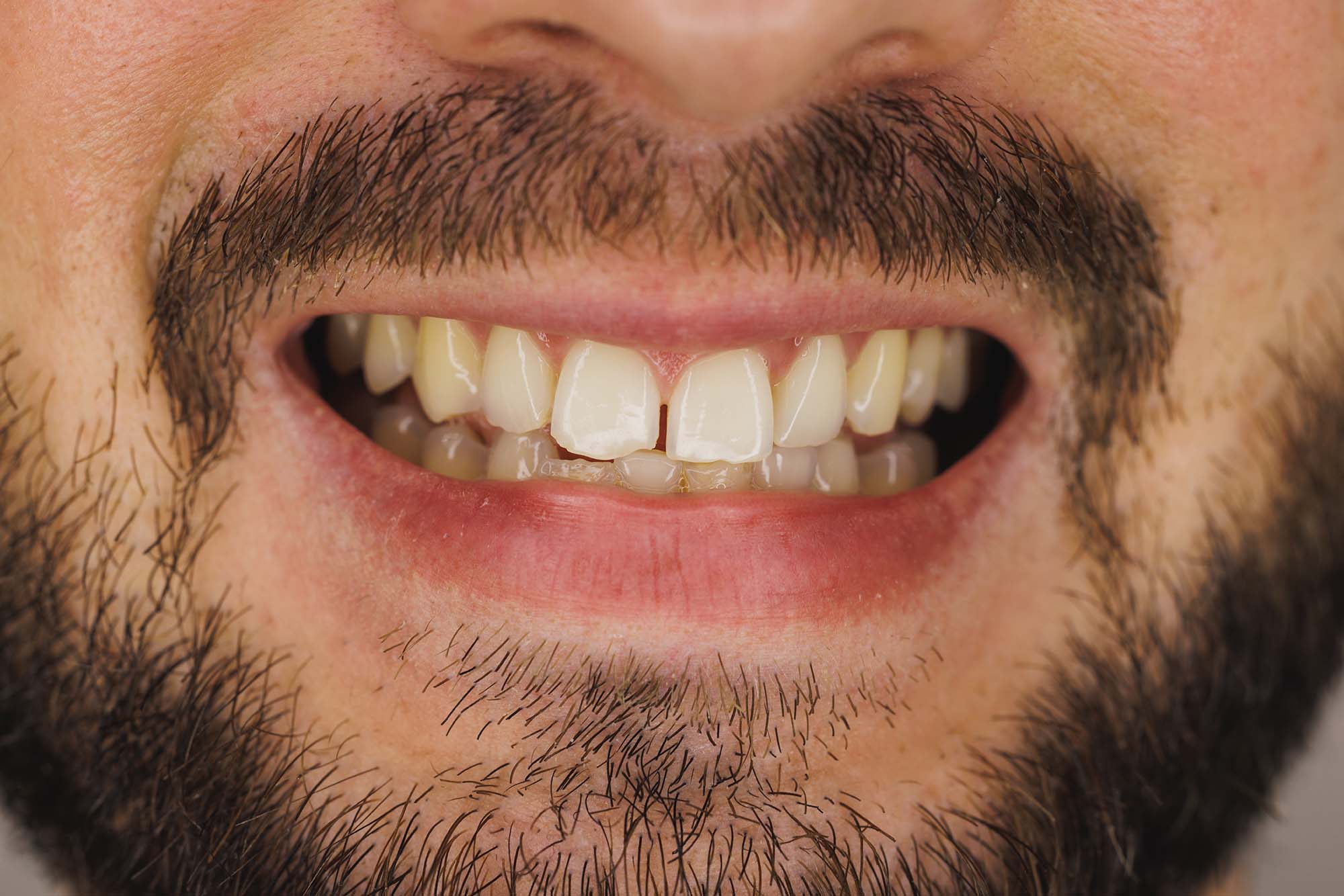
Not every gap needs treatment. If you like the space between your teeth, and it is healthy with no structural cause behind it, there is nothing that has to be done, and we will tell you so plainly. For some people a gap is simply part of their look. For others it is a real cosmetic concern, something they feel self-conscious about every time they smile, and closing it gives them a more even, beautiful smile they stop thinking about. A space also becomes worth addressing when it is widening, when it traps food and makes the area harder to keep clean (which can raise the risk of tooth decay and gum problems), or when it points to a cause like gum disease or an oral habit worth treating for your health, not just your appearance. The purpose of an evaluation is simply to tell you which situation you are in.
Not sure whether it is time to act? A complimentary evaluation answers exactly that — for you or your child. Request yours online or call (310) 271-7287.
Not sure whether it is time to act?
A complimentary evaluation answers exactly that – for you or your child.
Why Los Angeles patients choose The Orthospaceship for gap correction
Plenty of practices can close a space. Fewer start by asking why it is there. That difference is the point of The Orthospaceship. Dr. Chantal Hakim leads with a whole-health approach that reads the tongue, the bite, and the health of the gums before recommending anything, so the plan fits the cause rather than the calendar. For adults who want a discreet path, orthodontic treatment is built around Invisalign and precise digital iTero scanning rather than messy impressions. And with care offered in English, Spanish, and Farsi, the conversation about your smile happens in the language you think in.

Your complimentary gap evaluation
Your first visit answers two questions: what is behind your gap, and what closing it would actually involve. Dr. Chantal Hakim examines the teeth, the frenum, the tongue's posture, and the health of your gums, using an in-house 3D scan and a digital iTero scan to see the full picture. You leave knowing whether the space is purely cosmetic or has a cause worth addressing, what your treatment options are, and roughly what to expect. When cosmetic bonding or gum care fits better alongside orthodontics, we coordinate with your general dentist, so you are never bounced between offices without a plan, at no cost and with no obligation for the evaluation.
Book your complimentary gap evaluation in Beverly Hills.
Get a precise answer in a single visit, from the doctors who will treat you. Call (310) 271-7287 or request your evaluation online.

Teeth Gap Correction: Frequently Asked Questions
What is a gap between teeth called?
A gap between two teeth is called a diastema. It most commonly appears between the two upper front teeth, though it can occur anywhere. A diastema can be purely cosmetic or a sign of an underlying cause such as an oversized frenum, a tooth-size mismatch, or gum disease.
What causes a gap between the front teeth?
The most common causes are an oversized labial frenum (the tissue between the upper lip and gums), a mismatch between tooth size and jaw size, missing or small teeth, oral habits like tongue thrusting or thumb sucking, and, in adults, gum disease that lets teeth migrate. A dentist may first point out the space at a routine dental exam, but identifying which cause is behind it is the first step to closing it durably.
Can Invisalign or braces close a gap in my teeth?
Yes. Invisalign clear aligners are very effective at closing spaces and are a popular choice for adults, while braces handle larger or more complex spacing, especially when gaps come alongside crooked teeth or other bite issues. Both braces and clear aligners fix a diastema by moving the actual teeth with controlled force, which, unlike bonding or veneers that cover a gap, corrects the position rather than masking it.
How big a gap can Invisalign close?
Invisalign closes small and moderate spaces very predictably, and many larger ones too, especially when the space is due to tooth position rather than a jaw-size problem. Very wide gaps, several spaces at once, or gaps tied to missing teeth are sometimes better handled with braces or a combined approach. Your evaluation determines what is realistic for your teeth.
Will my gap come back after it is closed?
It can, if the cause was not addressed or you stop wearing your retainer. Spaces are among the most likely to reopen, which is why we treat the underlying cause, whether a frenum, a habit, or periodontal disease, and why a retainer afterward is essential. Handled that way, the result holds.
Is it okay to keep a gap between my teeth?
Yes, if it is healthy. A space that has no structural cause and does not bother you is perfectly fine to keep, plenty of people wear theirs proudly. It is worth closing when it makes you self-conscious, when it is widening, or when it signals something like gum disease or a habit worth treating. Whether to close it is your call; our job is to tell you if there is a health reason behind it.
Can you close a teeth gap naturally?
No. There is no safe at-home way to move teeth, and DIY methods such as elastic bands can cause serious harm, including tooth loss. The reassuring part is that professional treatment, especially with clear aligners, is one of the more straightforward orthodontic corrections.
My young child has spaces between their baby teeth. Is that normal?
Usually, yes. Nearly 40% of preschoolers have spacing between their teeth, and up to 97% of children have spaces between their baby teeth at some point. It is normal and healthy: those spaces leave room for the larger permanent teeth. Many close naturally as the adult teeth grow in, so a small gap in a young child is usually nothing to worry about while development is monitored. An evaluation around age 7 tells us whether to act or simply keep watching.
How much does it cost to close a gap in your teeth?
It depends on the cause and the treatment: a single small diastema closed with aligners is very different from a case that needs a frenectomy or gum disease treatment first. Many dental plans include orthodontic benefits, and we verify your coverage during your consultation so you have real numbers, not estimates.
Find out what is behind your gap
Whether you want to close a space or simply understand it, one visit gives you the answer. Book a complimentary evaluation at The Orthospaceship in Beverly Hills, and learn whether your gap is cosmetic, structural, or nothing to worry about at all, and exactly how it can be closed to last.
Call us at (310) 271-7287 or request your evaluation online.