
An overbite occurs when the upper teeth and jaw overlap the lower teeth beyond a healthy range. It is one of the most common orthodontic problems treated in children and adults, ranging from mild teeth overlap to severe deep overbites involving the jaw position. Left uncorrected, an overbite can affect chewing, speech, jaw health, and long-term oral stability.
If you've been told you have an overbite, or you've noticed your upper front teeth covering your lower teeth more than they should, the path forward is straightforward. Most overbites are correctable at any age. The type and severity of the bite problem shape the approach — and that's exactly what a consultation is designed to determine.
At The OrthoSpaceship on Sunset Blvd in Los Angeles, Drs. Isaac and Chantal Hakim have been correcting overbites for over 47 years. Their evaluation doesn't stop at the teeth. They assess how the bite, jaw, and airway function as a system — which is the difference between a result that looks good and one that holds.
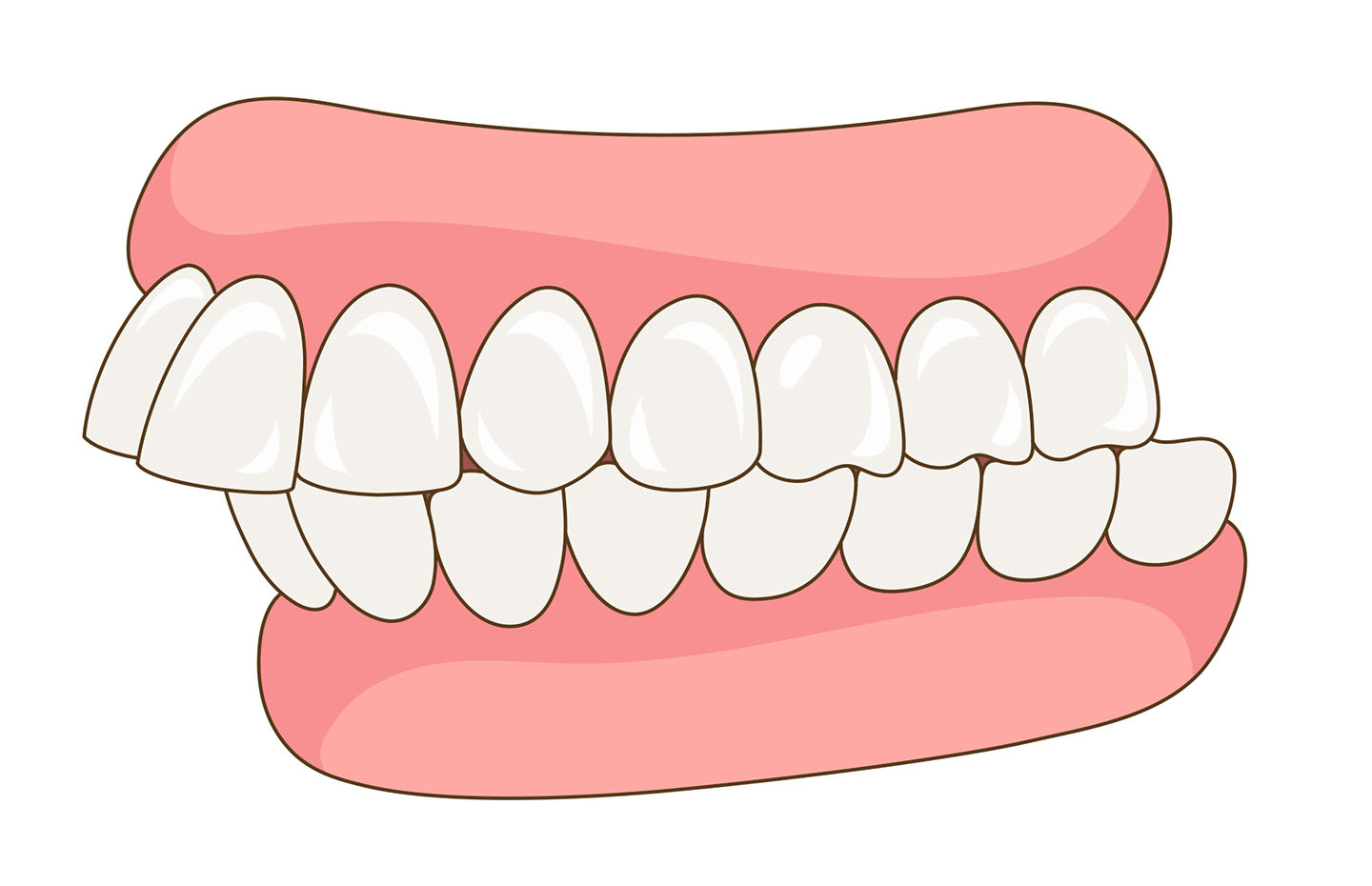
Overbite refers to a vertical misalignment of your teeth. It happens when your upper teeth overlap your lower teeth more than they should. Left untreated, overbite can cause oral health issues like jaw pain, tooth erosion and gum disease. – Mayo Clinic
Dental vs. skeletal overbite: why the distinction matters
Not all overbites are the same, and identifying the type is the first step toward correcting it.
A dental overbite means the teeth are the source of the problem. The jaw position may be fine, but the teeth have shifted or erupted in a way that creates excessive overlap of the upper teeth over the lower teeth. This is the most common presentation and responds well to braces or clear aligners in patients of all ages.
A skeletal overbite involves the underlying jaw structure. The upper jaw sits too far forward, or the lower jaw is underdeveloped, creating a structural imbalance that goes beyond tooth position. In children and teens, functional appliances can guide jaw growth while it's still active. In adults with severe skeletal overbites, jaw surgery may be part of the treatment plan.
A deep overbite — also called a deep bite — is a specific type of overbite in which the upper front teeth cover a large portion of the lower front teeth vertically. In the most pronounced cases, the lower front teeth make contact with the soft tissue on the roof of the mouth rather than the opposing teeth. Deep overbites place sustained pressure on both the teeth and gum tissue and are closely linked to jaw strain and accelerated wear over time.
Genetics account for most cases. Childhood habits like thumb sucking or prolonged pacifier use can also contribute to how the bite develops. The cause matters less than an accurate diagnosis. The goal, in every case, is to correct the bite fully — not just improve its appearance. Board-certified orthodontists use digital X-rays and 3D imaging to determine whether an overbite is dental, skeletal, or a combination of both, and to confirm whether a deep bite requires specific mechanics beyond standard tooth alignment.
What happens when an overbite goes untreated?
Most people with an overbite live with it for years before it becomes a problem they can't ignore. The effects are gradual, but they compound.
Teeth wear unevenly. When the bite is misaligned, certain teeth absorb force they weren't built to take. In a deep overbite, the lower front teeth bear pressure with every bite and every jaw movement — leading to excessive wear, chipping, and increased sensitivity over time. Enamel that wears away doesn't return. Once that damage accumulates, the treatment needed becomes more involved than simply correcting the bite.
Jaw pain becomes a daily pattern. An unbalanced bite places irregular stress on the jaw joints and surrounding muscles. This tends to develop slowly — mild discomfort becoming chronic jaw pain, tension headaches becoming frequent ones. People who go on to develop TMJ disorders often have an underlying bite problem that was never addressed. Overbites are among the most common contributing factors, and correcting the bite can reduce or resolve those symptoms entirely.
Oral health is affected in ways that aren't always visible. Teeth that don't meet correctly are harder to keep clean. The overlapping and misaligned contact points create areas that brushing and flossing don't reach effectively, raising the long-term risk of gum disease and tooth decay. A corrected bite makes daily oral hygiene more effective.
Speech can be impaired. Certain sounds require precise contact between the upper and lower teeth. When the bite is significantly off, articulation of specific sounds becomes difficult. This is particularly relevant in children, where speech patterns are still developing.
Facial balance can shift. Deep overbites frequently produce a shorter facial profile, a receding chin appearance, or a disproportionate relationship between the upper and lower jaw. Correcting the bite improves facial proportion — a change that's often more significant than people anticipate.

Overbite correction works at every age
Overbites are corrected effectively across all age groups. The approach is calibrated to where you are — not limited by it. Orthodontists treat this bite condition in children as young as 7, in teens during peak jaw-growth years, and in adults well into their 50s, 60s, and beyond.
Select your stage below to learn what overbite correction looks like for you.
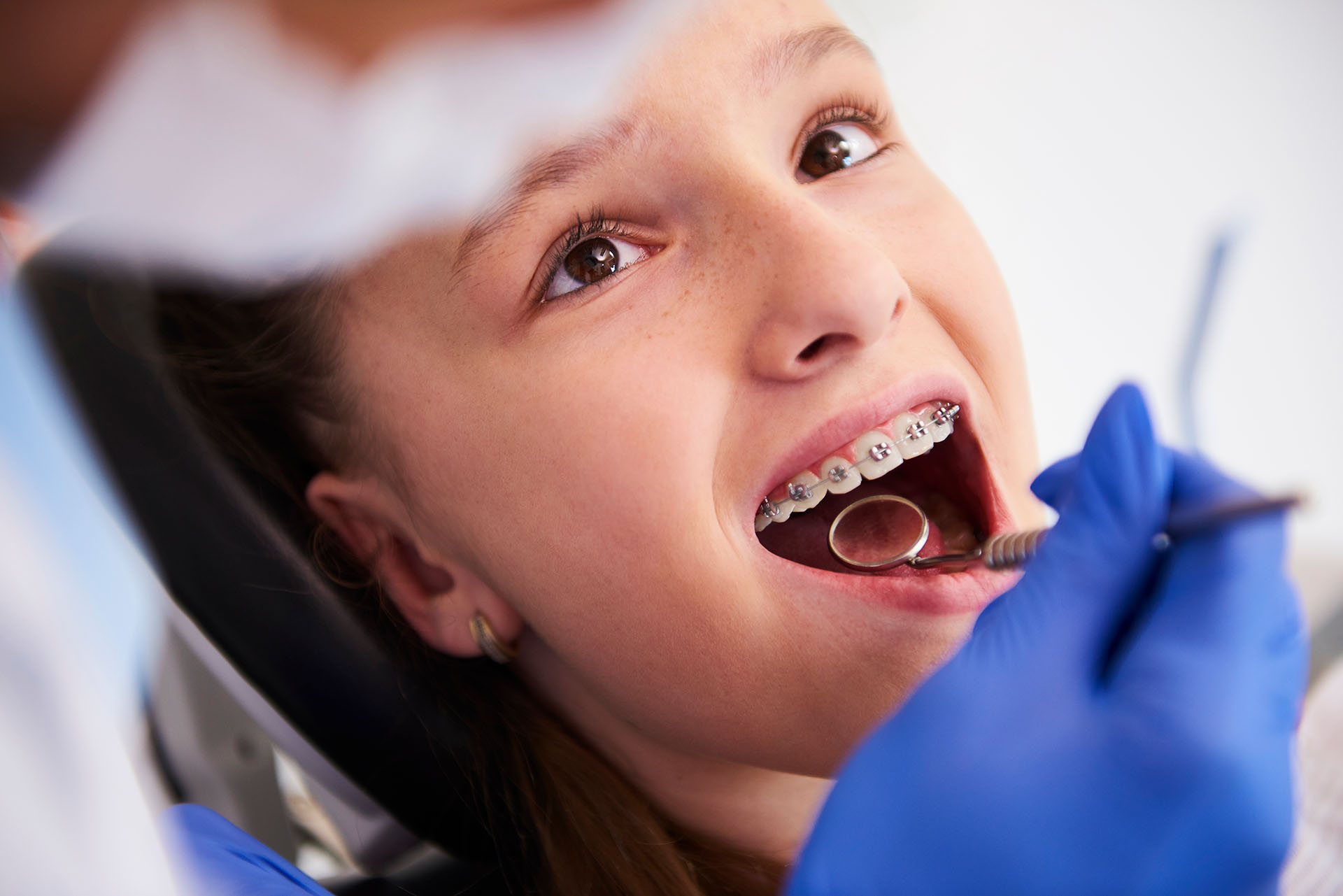
Children & Early Treatment
Overbite is the most common dental disorder in children. An evaluation by age 7 identifies whether jaw growth can be used to simplify — or prevent — more involved treatment later.

Teens
The most common stage for comprehensive overbite correction. Braces and Invisalign Teen both work well. Active jaw growth means the bite responds faster to correction mechanics.

Adults
Correcting an overbite as an adult is common, effective, and produces lasting results. Most adult overbites are dental in origin and respond well to braces or clear aligners without surgery.

Seniors
Bite correction later in life often resolves decades of accumulated wear, chronic jaw strain, or shifting from prior treatment. Functional improvement is the goal, and it's achievable.
Each stage has different mechanics, timelines, and priorities. What stays consistent is the diagnostic standard — and what's possible.

Is it too late to fix your overbite?
There is no age limit on overbite correction. Orthodontists successfully treat adults in their 30s, 40s, 50s, and beyond for the same bite problems that went unaddressed in childhood. The mechanics are the same. The results are comparable.
Many adults have been carrying this question for years — sometimes decades. The hesitation usually isn't about the treatment itself. It's the belief that the window has passed, or that correcting an overbite is something that should have been handled in childhood and now it's too late.
It's not too late.
What changes with age is the approach, not the outcome. Adult jaw bones are fully set, which means growth-dependent appliances no longer apply. But the vast majority of overbites in adults, including deep overbites and moderate cases with some skeletal involvement, can be corrected with braces or clear aligners. Surgery is considered only in severe skeletal cases where orthodontics alone cannot achieve adequate correction — and that applies to a small percentage of adult presentations.
Orthodontists who work with complex bite cases will also tell you something worth knowing: adults tend to be highly motivated patients. They understand exactly what they're working toward. They wear their aligners. They keep their appointments. That commitment consistently produces strong outcomes.
The most common reason adults delay correcting an overbite has nothing to do with their age or the complexity of their case. It's simply the assumption that the right time has passed. If that assumption has kept you from getting a clear answer, a complimentary consultation is a straightforward way to find out what's actually possible for your specific bite.
Treatment options for overbite correction
The right approach to fix an overbite depends on the type, severity, and the patient's age. At The OrthoSpaceship, three primary options cover the full range of overbite presentations — from mild teeth overlap in teens to deep overbites requiring more precise bite correction mechanics.

Braces
The most reliable option for correcting deep overbites and complex bite problems across all age groups. Metal, ceramic, and lingual braces all apply consistent, controlled force. Bite turbos, springs, and rubber bands are used in combination to correct overbite mechanics while teeth reposition. Preferred for severe and skeletal cases.
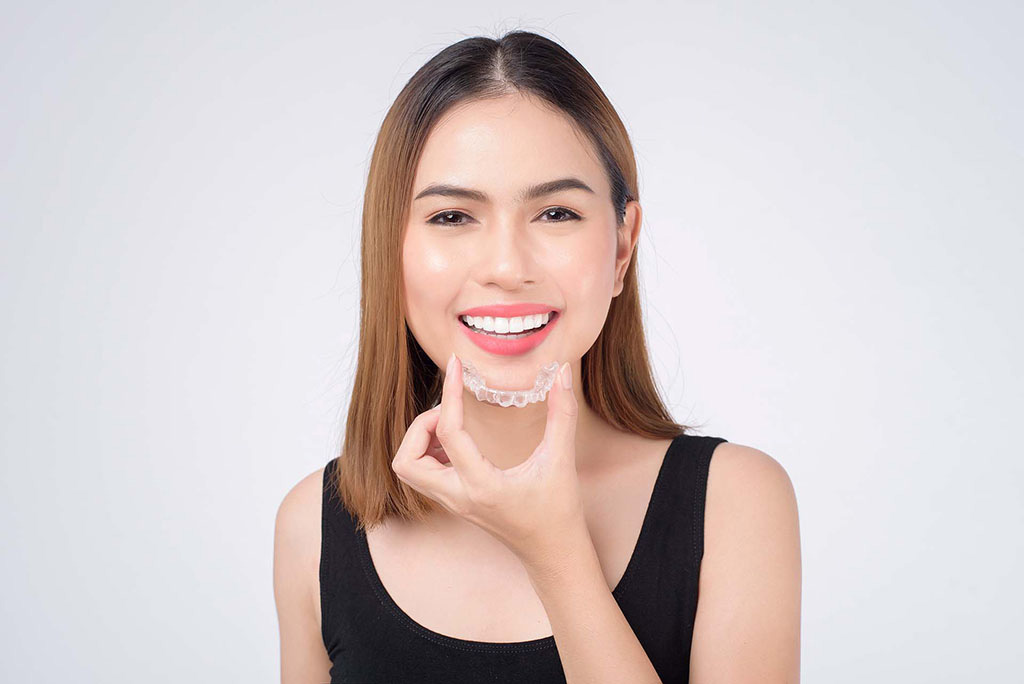
Invisalign
Effective for mild to moderate dental overbites. Invisalign's Mandibular Advancement feature repositions the lower jaw incrementally as aligners progress — correcting bite function, not just tooth alignment. A strong option for adults prioritizing aesthetics during treatment.
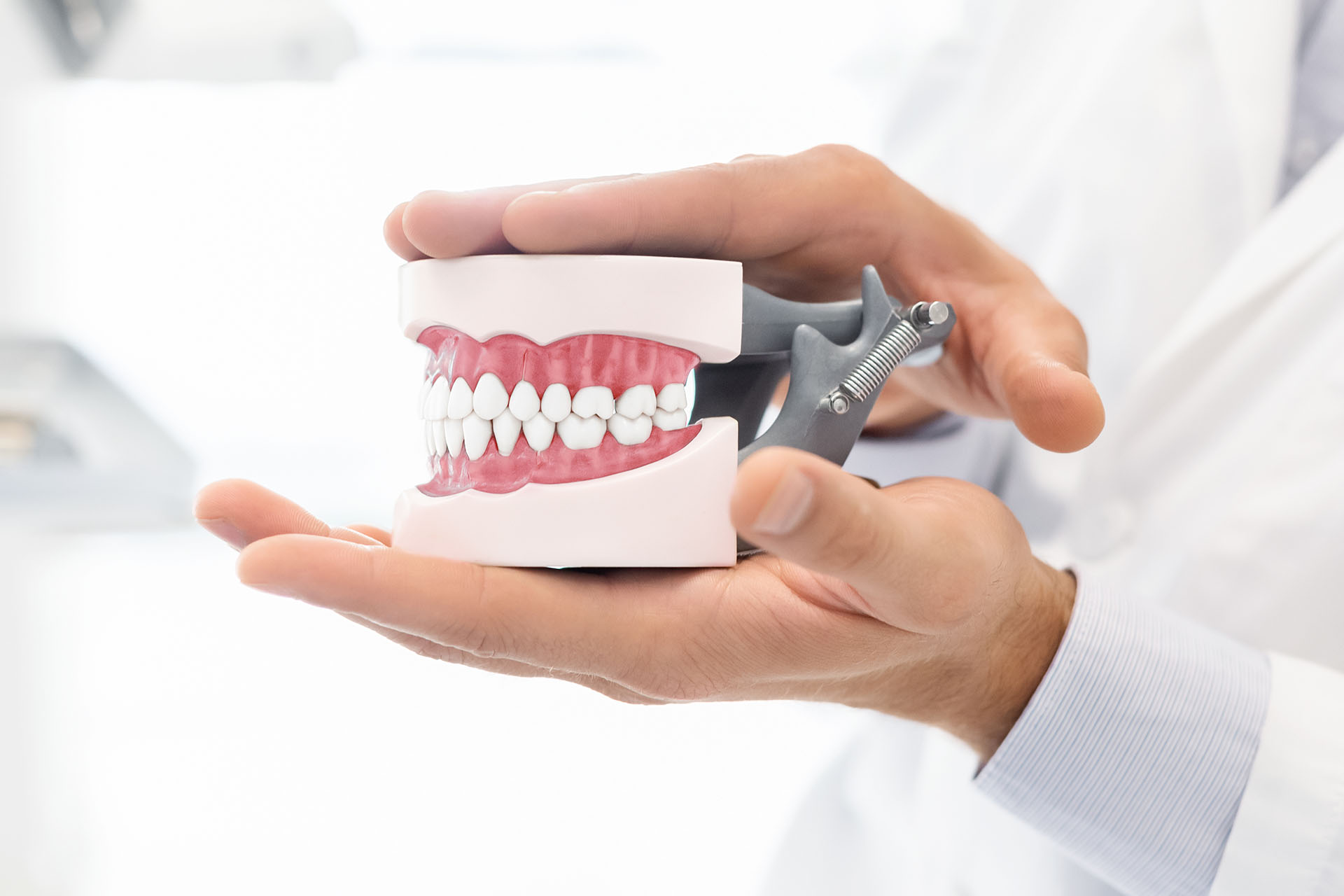
Jaw Surgery
Reserved for severe skeletal overbites in adults where braces or aligners alone cannot achieve adequate correction. Orthognathic surgery repositions the jaw and is coordinated with orthodontic treatment before and after. Uncommon — applies to a small percentage of cases.
Most overbite cases are corrected without surgery. If a prior evaluation mentioned surgery as a possibility, an independent assessment at The OrthoSpaceship will confirm what's actually required to correct the bite and what isn't. The diagnostic imaging used here — including 3D cone beam CT — provides a level of case-specific detail that can, and does, change treatment recommendations.
A whole-health view of the bite
Most orthodontic practices correct the teeth. At The OrthoSpaceship, the scope of evaluation is intentionally broader.
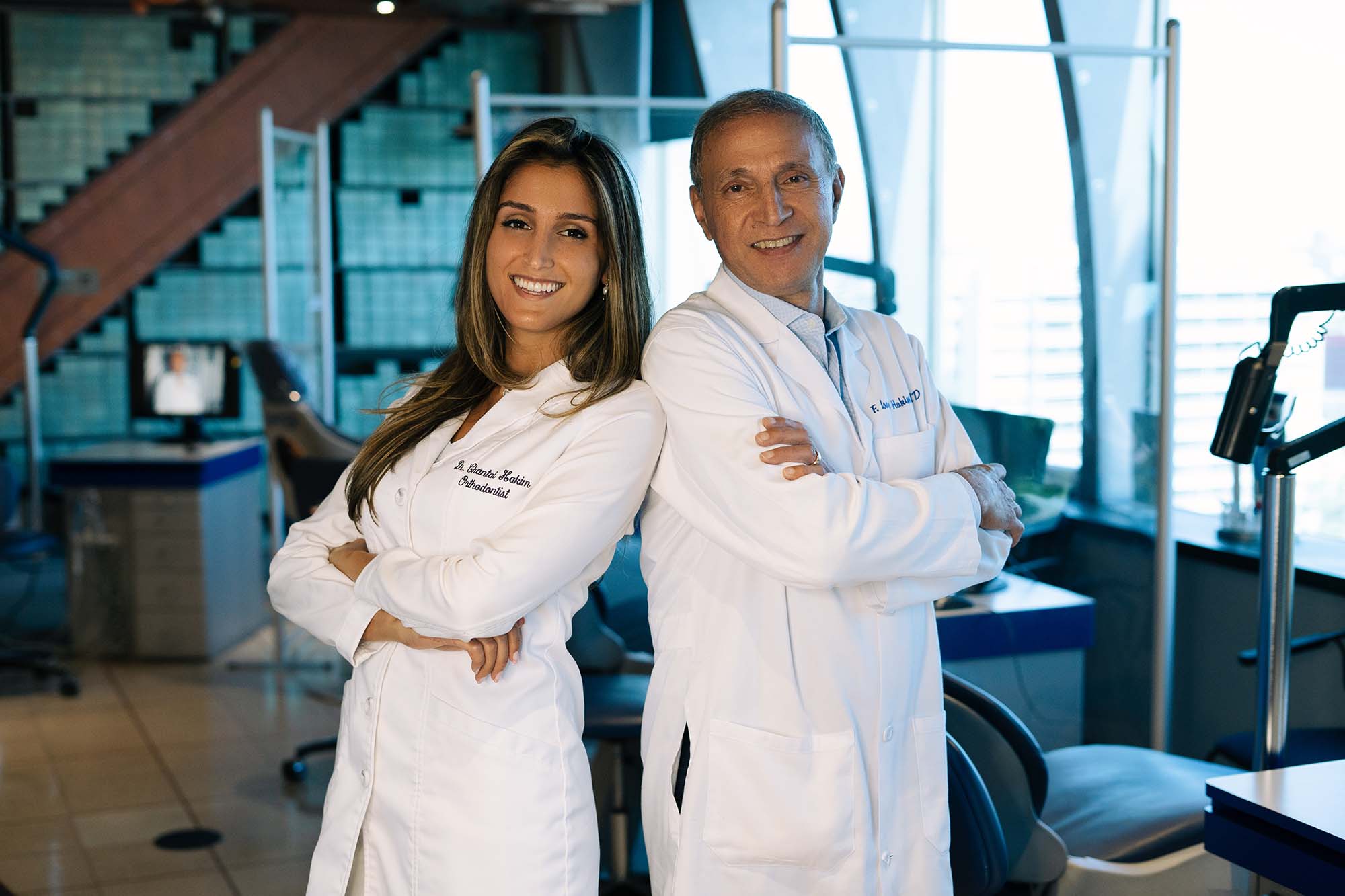
Dr. Isaac Hakim completed advanced training at the Roth Williams Center for Functional Occlusion — the study of how the bite, jaw joints, and muscles operate together as a connected system. That training shapes how overbites are diagnosed here. A bite that looks aligned isn't always a bite that functions correctly. And a bite that functions correctly lasts significantly longer.
Overbites are among the most common structural contributors to TMJ disorders, chronic jaw pain, and persistent headaches. When patients present with those symptoms, the bite relationship is always part of the diagnostic picture at The OrthoSpaceship — not an afterthought. Correcting the overbite addresses the root of the problem, not just its surface appearance.
Dr. Chantal Hakim's graduate research focused on craniofacial development and bite genetics. For patients with complex or hereditary bite patterns — including deep overbites with a significant skeletal component — that background informs diagnosis in ways that a standard orthodontic evaluation typically doesn't reach.
For patients in Los Angeles and the surrounding area whose chronic jaw pain or bite discomfort may be linked to an unaddressed overbite, a consultation at The OrthoSpaceship covers that connection directly. Patients also travel from outside the region for complex bite cases. Insurance verification for jaw surgery as a medical necessity is something the team can assist with when applicable.
What life looks like after correcting an overbite
Overbite correction produces a new smile. It also produces something most patients say they didn't fully anticipate: a bite that simply works.
Here's what changes when an overbite is properly corrected and the upper and lower teeth are finally where they're supposed to be.
Jaw pain and headaches reduce.
A properly aligned bite distributes chewing force evenly across the jaw. When deep overbite mechanics are corrected and the lower jaw meets the upper jaw correctly, the jaw joints and surrounding muscles stop absorbing irregular stress. Patients who have managed chronic jaw pain or tension headaches for years — often attributing them to stress or other causes — frequently experience meaningful relief after overbite correction. The connection between bite alignment and jaw pain is one of the most significant and least-discussed outcomes of this treatment.
Teeth stop wearing unevenly.
When the upper and lower teeth meet correctly, every tooth does the job it was designed for. In a deep bite, the lower front teeth bear pressure with every bite and every jaw movement — force they weren't built to absorb. Correcting a deep bite eliminates that chronic pressure at the source. The risk of premature enamel wear, chipping, and tooth decay from incorrect bite contact decreases substantially. Most patients don't see the damage a misaligned bite causes until a dentist points it out on an X-ray. Correcting it stops that progression.
Chewing becomes easier and more comfortable.
When the upper and lower teeth engage correctly, the full biting surface is available with every chew. Adults who've had a significant overbite for years often describe this outcome in simple terms: food is easier to eat. Harder foods that were uncomfortable or avoided become manageable. The mouth functions the way it's designed to.
Oral health improves meaningfully.
Properly aligned teeth are easier to clean. Teeth that overlap, crowd, or meet at incorrect angles create zones that standard brushing and flossing don't reach effectively — which increases long-term risk of gum disease and tooth decay. A corrected bite doesn't just look better. It makes daily oral health maintenance more effective for the rest of your life.
Sleep quality can improve.
For patients whose overbite is associated with a narrow upper jaw, restricted airway, or a lower jaw that positions too far back, bite correction can have a measurable effect on breathing during sleep. Overbites are one of the structural contributors to mouth breathing, snoring, and in some cases mild sleep apnoea. Airway orthodontics is part of how Dr. Hakim approaches patients with these overlapping concerns — and it's another dimension of care that distinguishes The OrthoSpaceship from practices focused solely on tooth alignment.
Confidence changes in ways that matter.
A new smile from overbite correction carries a weight that's difficult to quantify but consistently what patients mention first. For adults who spent years self-conscious about protruding upper teeth or a misaligned mouth, the functional improvement and the aesthetic change arrive together. The confidence that follows isn't about appearance alone. It's the experience of a bite that works — and no longer occupying mental space.
What the process of overbite correction actually looks like
The path from evaluation to a corrected overbite is more straightforward than most people expect.
A complimentary consultation is the starting point. Dr. Isaac or Dr. Chantal will take a clinical look at how the upper and lower teeth meet, review your bite function, and ask about any symptoms you've noticed — jaw pain, difficulty chewing, clicking in the jaw. This visit is designed to confirm what type of overbite you have, whether it's practical to correct it without surgery, and what the most efficient path looks like. No commitment. No pressure. Just an accurate read of what's happening.
If the case requires further evaluation, the practice uses advanced 3D diagnostic imaging, including digital X-rays and cone beam CT technology. That level of imaging detail shows teeth, jaw bones, and joint structures with precision that standard dental X-rays don't provide. It's what allows orthodontists to distinguish a dental overbite from a skeletal one — and to design a treatment plan around the actual structure of your bite, not a best estimate.
The customized treatment plan that follows will specify the recommended approach, why that approach fits your case, and a realistic timeline. Most overbite correction treatment plans run 12 to 24 months with braces or clear aligners. Mild dental overbites are often shorter. More complex cases take longer. You'll know the estimate before treatment begins — not halfway through it.
After active treatment, retainers are fitted to hold the corrected bite. Retainer compliance is the most important thing you can do to protect your result. Teeth have a natural tendency to shift back toward their original positions, particularly in the first year after treatment. Wearing your retainers consistently — and replacing them when needed — is what makes the correction permanent. Every patient at The OrthoSpaceship receives specific retainer guidance based on their case.
FAQs About Overbite Correction
How do I know if my overbite needs to be corrected?
A small amount of vertical overlap is normal — typically up to 2 millimeters of upper teeth covering the lower teeth. When the overlap exceeds that range, or when it's producing functional symptoms like jaw pain, difficulty chewing, uneven wear, or contact between the lower front teeth and the roof of the mouth, correction becomes medically relevant, not just cosmetic. A clinical evaluation gives a specific answer.
How long does it take to fix an overbite?
Most overbite correction cases take 12 to 24 months with braces or clear aligners. Mild dental overbites are sometimes shorter. Severe cases or those involving skeletal correction take longer. The treatment timeline depends on the type and depth of the overbite, the patient's age, and the specific mechanics required. Your customized treatment plan will include a realistic estimate based on your diagnostic findings — not a generic range.
Can adults correct an overbite with braces or Invisalign?
Yes. Correcting an overbite in adults produces reliable, lasting results. Adult jaw bones are fully developed, so the approach accounts for that, but the vast majority of adult overbites are dental in origin and respond well to both braces and clear aligners. There is no upper age limit on when an overbite can be corrected. Orthodontists routinely treat adults in their 40s, 50s, and beyond for the same bite problems that went unaddressed earlier in life.
Is Invisalign effective for overbite correction?
Yes - Invisalign is effective for mild to moderate dental overbites and includes a feature called Mandibular Advancement specifically designed to reposition the lower jaw incrementally as aligners progress. This makes it a genuine bite correction tool, not just a tooth-straightening system. Severe skeletal overbites and deep bite cases typically respond better to braces, often with additional correction appliances. The right fit depends on the specific type and severity of the bite problem.
What does overbite correction cost in Los Angeles?
The cost of correcting an overbite in Los Angeles ranges broadly depending on treatment type and case complexity. Clear aligner treatment typically runs from $3,000 to $8,000. Braces-based treatment falls in a similar range. Cases requiring jaw surgery can range significantly higher and may qualify for medical insurance coverage when functional impairment is documented. Many dental insurance plans include orthodontic benefits that apply to overbite treatment. A consultation at The OrthoSpaceship provides a specific investment range based on your recommended treatment, not a ballpark.
Schedule your complimentary consultation
The OrthoSpaceship is located at 9201 Sunset Blvd, Suite 905 in Los Angeles. Dr. Isaac and Dr. Chantal Hakim see patients from across the LA area and from outside the region for complex bite cases.
If you've been living with an overbite — and living with what comes with it — the most useful thing you can do right now is get a clear answer. A complimentary consultation will tell you exactly what type of overbite you have, what it will take to correct it, and what a properly aligned bite would mean for your jaw function, your oral health, and your smile. No obligation. Just clarity.