
Crowded teeth treatment does more than create a straighter smile.
When teeth overlap, twist, or compete for space in the dental arches, it affects how you clean them, how your bite functions, and how your oral health holds up over time.
Dental crowding occurs when there is not enough space in the upper and lower teeth for proper alignment. One or more teeth may rotate, shift forward, or overlap neighboring teeth. Mild crowding may look cosmetic. Moderate to severe crowding can interfere with oral hygiene, contribute to gum disease, and increase the risk of tooth decay.
At The OrthoSpaceship in Los Angeles, crowded teeth treatment begins with understanding why the crowding developed — and how to create space without compromising long-term jaw health.
If you've been told you have an overbite, or you've noticed your upper front teeth covering your lower teeth more than they should, the path forward is straightforward. Most overbites are correctable at any age. The type and severity of the bite problem shape the approach — and that's exactly what a consultation is designed to determine.
At The OrthoSpaceship on Sunset Blvd in Los Angeles, Drs. Isaac and Chantal Hakim have been correcting overbites for over 47 years. Their evaluation doesn't stop at the teeth. They assess how the bite, jaw, and airway function as a system — which is the difference between a result that looks good and one that holds.
What causes crowded teeth?
Teeth crowding usually develops because of a mismatch between tooth size and jaw size.
Common contributing factors include:
- Large teeth or small jaw structure
- Early loss or prolonged retention of baby teeth
- Extra teeth or impacted permanent teeth
- Thumb sucking during childhood
- Abnormal bite patterns
- Genetic jaw bone development
Crowding can also be influenced by airway development and tongue posture. When a child breathes primarily through the mouth, the tongue often rests low instead of against the palate. Over time, this can limit proper widening of the upper jaw, reducing available space for permanent teeth. Jaw growth patterns and breathing habits are closely connected during development.
Wisdom teeth are often blamed for crowded teeth, but they are rarely the primary cause. Crowding typically begins much earlier as the permanent teeth erupt.
The key question is not simply how to straighten crowded teeth — it is how to create enough space so teeth align properly and remain stable.
What happens if crowding is left untreated?
Crowded teeth are not just a cosmetic concern.
When teeth overlap or twist, plaque buildup increases. Even patients who brush and floss consistently may struggle to maintain proper oral hygiene between tightly spaced teeth. Over time, this raises the risk of gum disease and tooth decay.
Severe crowding can also affect how upper and lower teeth meet. Misaligned contact points create uneven pressure during chewing. Remaining teeth absorb force they were not designed to handle, contributing to long-term dental health risks.
In some cases, severe crowding can also contribute to bite imbalance and increased strain on the jaw joints. When teeth do not align properly, the supporting structures — including the jaw joint — may compensate over time, which can contribute to discomfort or functional instability.
In adults, crowded teeth often worsen gradually as natural shifting continues. What began as mild crowding can progress into moderate crowding or severe cases that require more comprehensive orthodontic intervention.
Early evaluation prevents that progression.

Crowded teeth treatment at every age
Crowding looks different depending on growth stage. The goal is always the same: create enough space for proper alignment while protecting jaw development and long-term oral health.
Children & Early Intervention
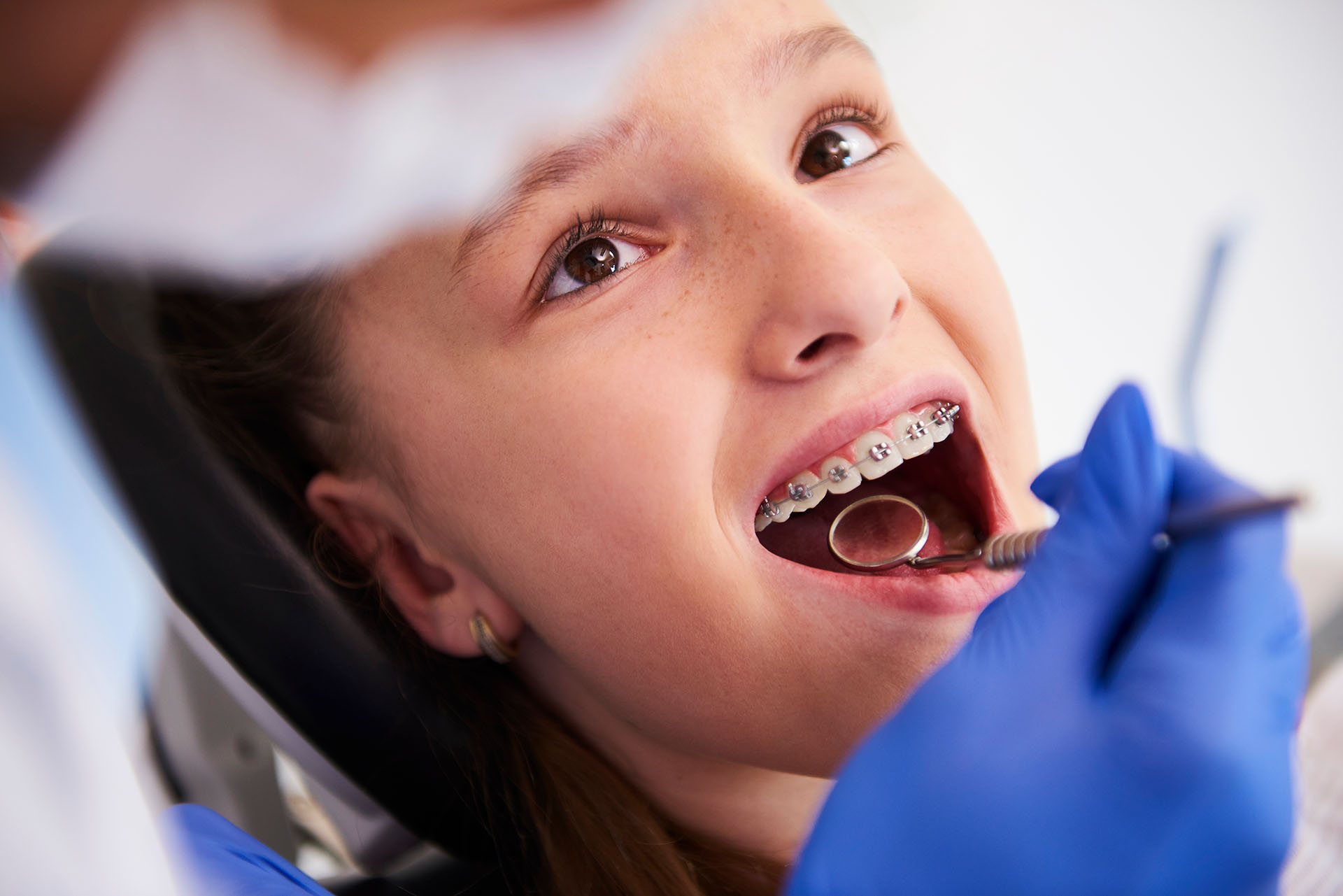
Crowding often becomes visible as baby teeth transition to permanent teeth. Early evaluation — ideally by age 7, as recommended by the American Association of Orthodontists — allows us to monitor jaw growth and guide development when necessary. Orthopedic approaches such as palatal expansion can help create space naturally, improve eruption patterns, and reduce the risk of impacted canines before severe crowding develops.

Teens
Comprehensive orthodontic treatment during teenage years is common. Traditional metal braces or clear aligners can address moderate to severe crowding while jaw growth is still active.

Adults
Adult orthodontics for crowded teeth is common and highly effective. Many adults choose clear aligners, while others benefit from braces depending on severity. Oral hygiene improvement and long-term dental stability are primary goals. Before moving teeth in adults, we evaluate bone support and gum health carefully to ensure teeth are aligned in a way that supports long-term periodontal stability.

Seniors
Crowding later in life may contribute to plaque buildup, gum disease, and shifting existing teeth. Treatment focuses on improving oral function and maintaining dental health.
Each stage requires a customized treatment plan based on jaw size, tooth position, and overall bite relationship.
Treatment options for crowded teeth
The best treatment depends on how much space is needed and how severe the dental crowding is.

Braces
Traditional braces — including metal braces and ceramic options — offer precise control for moderate to severe crowding. Metal brackets allow controlled tooth movement and rotation correction when space is limited.

Clear aligners (Invisalign)
Clear aligners are effective for mild to moderate crowding and many adult cases. Removable aligners gradually reposition teeth while maintaining daily comfort. Invisalign treatment is especially popular for adults seeking discreet orthodontic care.
Space Creation Techniques
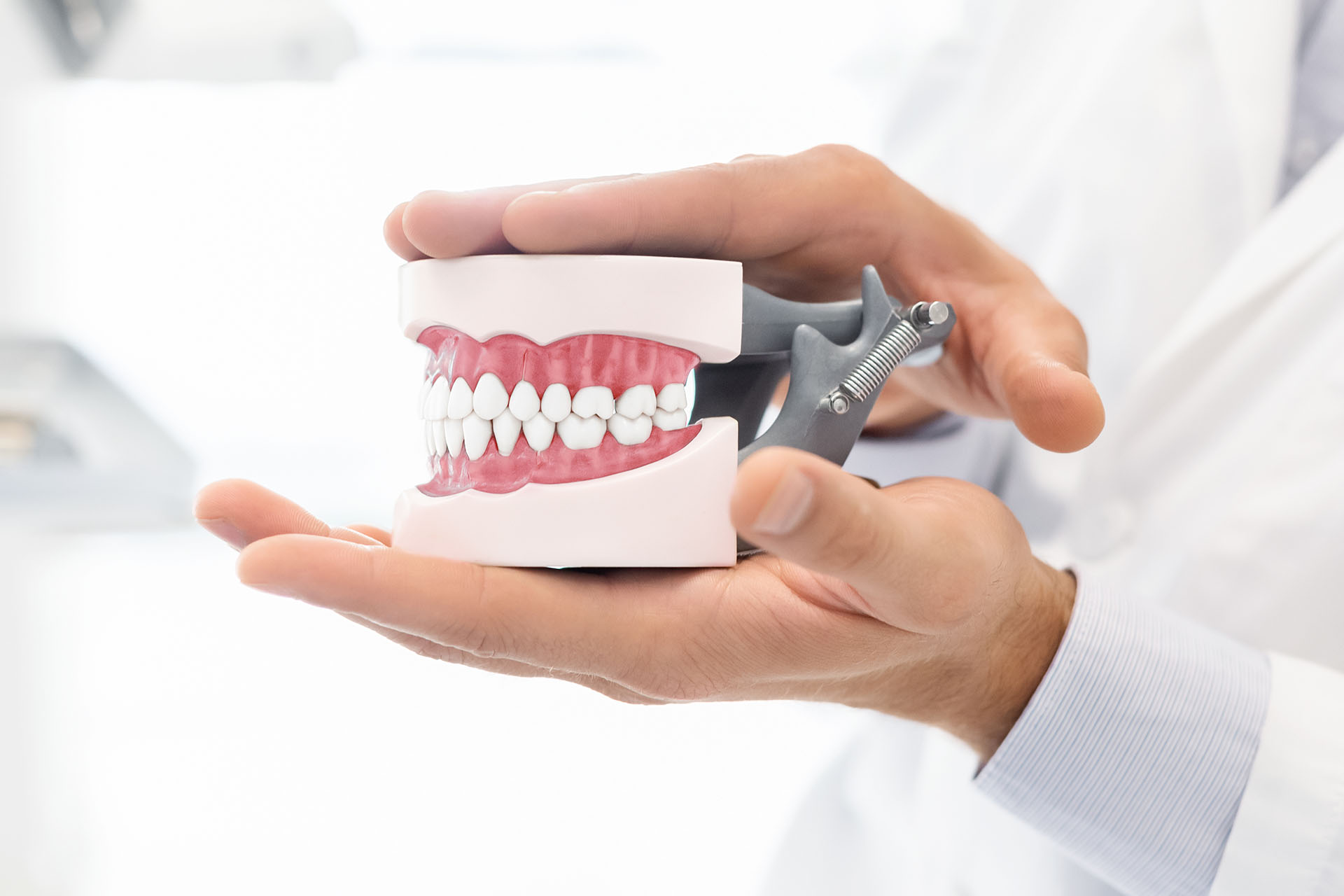
When there is not enough space, orthodontists must create it thoughtfully. This may involve interproximal reduction (reshaping small amounts of enamel between teeth), arch development, or in certain cases, selective tooth extraction. At The OrthoSpaceship, treatment planning begins with comprehensive 3D imaging to evaluate bone support, root position, airway space, and jaw joint health. Whenever possible, we focus on expanding dental arches and positioning teeth within healthy biological boundaries rather than pushing them outside of the supporting bone.
Most crowded teeth without braces are not truly corrected — they are masked. Long-term stability requires controlled orthodontic tooth movement.

Is crowding just a cosmetic concern?
No.
While overlapping teeth can affect confidence, dental crowding carries real health risks.
Crowded teeth increase plaque buildup. Plaque increases gum disease risk. Gum disease contributes to bone loss around the jaw bones. Misaligned teeth may also affect bite balance and chewing efficiency.
Straight teeth are not just about appearance. Proper alignment supports healthier gums, easier cleaning, and long-term oral health.
Maintaining results after treatment
Correcting crowded teeth is only part of the process. Maintaining oral hygiene and wearing retainers are essential for stability.
After treatment:
- Retainers prevent teeth from shifting back.
- Regular dental checkups protect gum health.
- Proper oral hygiene keeps newly aligned teeth healthy.
Teeth naturally shift over time. Consistent retainer use preserves alignment and protects your investment.
Frequently Asked Questions
How do you fix crowded teeth?
Crowded teeth treatment involves creating enough space for proper alignment and repositioning teeth using braces or clear aligners. Space may be created through arch development, interproximal reduction, or selective extraction when necessary. Treatment depends on severity and age.
Can crowded teeth be fixed without braces?
Mild cases may be treated with clear aligners. Cosmetic options like dental veneers can mask crowding but do not correct underlying alignment. True correction requires orthodontic tooth movement to properly align teeth.
Do crowded teeth always require tooth extraction?
No. Tooth extraction is not always necessary. Many cases are treated using expansion techniques or interproximal reduction to create space. Extraction is considered only when space cannot be safely created through other methods.
Is Invisalign treatment effective for crowded teeth?
Yes. Invisalign treatment is effective for mild to moderate crowding and many adult cases. Severe crowding may respond better to braces depending on the amount of rotation and space required.

Schedule your consultation
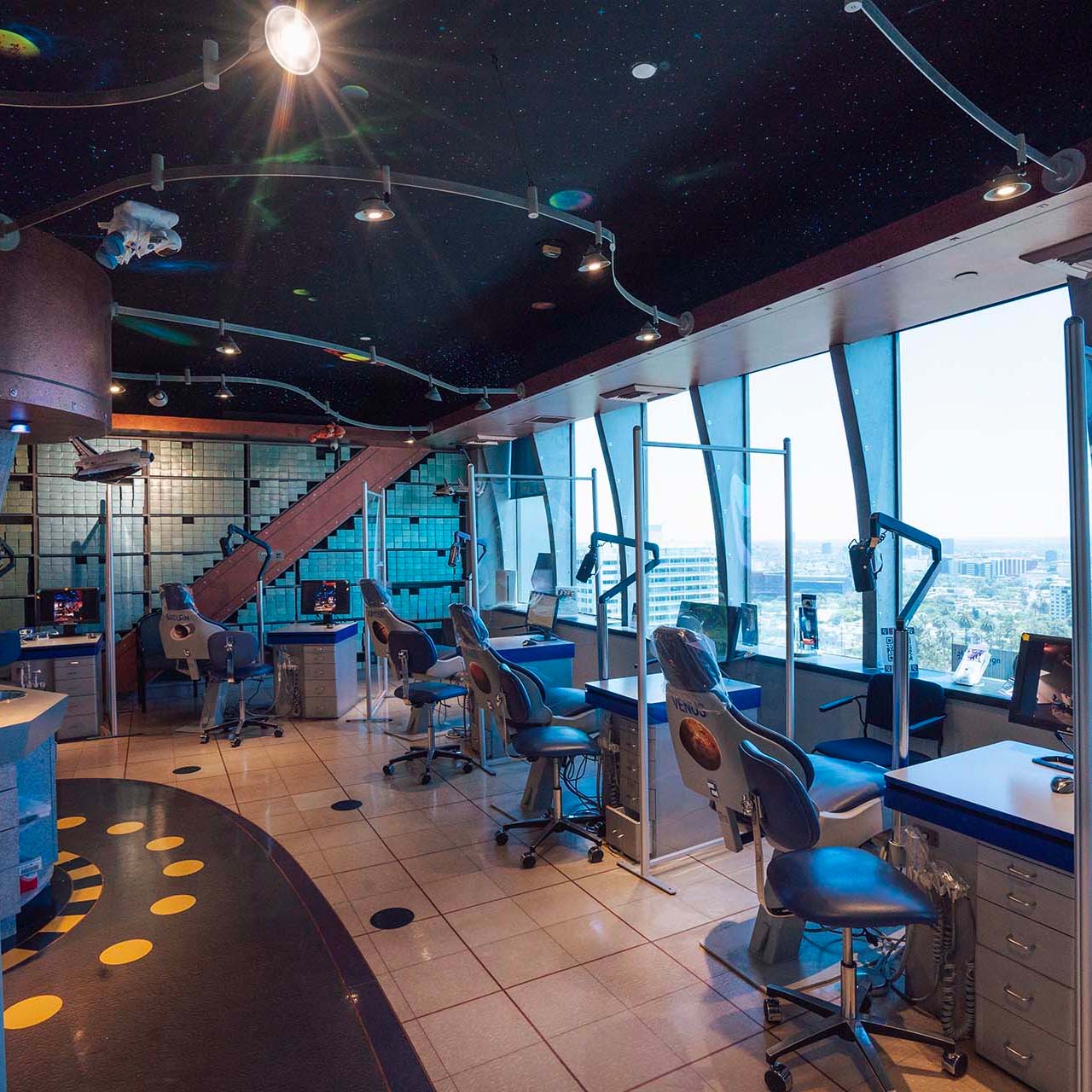
If you are considering crowded teeth treatment — for yourself or your child — the most important step is an accurate evaluation. At The OrthoSpaceship in Los Angeles, orthodontic care is designed to align teeth properly while protecting long-term oral health and airway development.
Schedule your complimentary initial consultation to understand your options, your timeline, and the best treatment for your smile.